The Relevance of Lawful Video Depositions in Modern Legal Solutions: What You Should Know
Lawful video clip depositions have actually ended up being necessary in today's legal landscape. They offer a multidimensional sight of witness statements that typical records simply can not match. By capturing both spoken and non-verbal communication, these depositions enhance the overall understanding of a witness's reliability. However, the performance of video clip depositions copyrights on various elements, including conformity with legal criteria and finest methods (legal video depositions). Discovering these elements discloses their true significance in modern-day legal solutions
What Are Legal Video Clip Depositions?
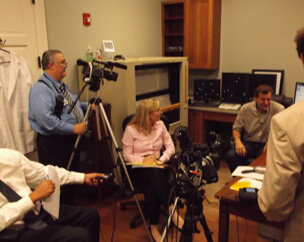
Lawful video clip depositions act as an essential device in the lawsuits procedure. They involve tape-recording witness statements in a video clip format, catching both non-verbal and spoken interaction. This approach permits attorneys to document the temperament, expressions, and reactions of witnesses, offering a richer context for the statement. Normally performed in a regulated atmosphere, these depositions are led by attorneys that ask concerns while a court reporter records the dialogue. The resulting video can be vital for test preparation, as it allows lawyers to evaluate the trustworthiness of witnesses and fine-tune their methods. Furthermore, legal video depositions can be utilized in different legal contexts, ranging from civil disputes to criminal cases. The aesthetic and acoustic aspects of video depositions enhance the discussion of proof, making it a necessary element in the modern lawful landscape. Overall, they contribute substantially to the effectiveness and efficiency of legal process.
Benefits of Video Clip Depositions Over Traditional Techniques
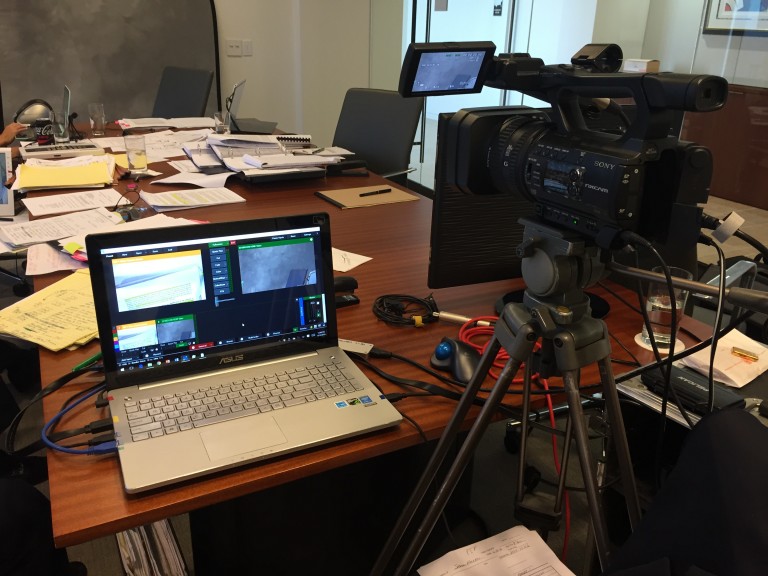
Video clip depositions provide countless advantages contrasted to traditional techniques of taking witness testimonies. One considerable advantage is the ability to catch both audio and visual aspects, giving a more comprehensive document of the witness's declarations. This dual format enhances clearness and permits lawyers to reference details subtleties throughout test prep work. Furthermore, video depositions promote remote participation, making it much easier for witnesses that might be inaccessible for in-person looks due to geographical restraints or health issues.Moreover, video depositions can speed up the general deposition procedure, minimizing the moment and prices connected with travel and logistics. They additionally enhance accessibility, as tape-recorded depositions can be quickly shared among legal groups and referenced at any type of time. This ease contributes to better case management and preparation. Overall, video clip depositions represent a contemporary, effective strategy to collecting witness statements, lining up with the developing needs of the lawful profession.
The Function of Body Language and Tone in Testimonies
In legal video clip depositions, body language and tone play vital functions in conveying a witness's reputation and credibility. Nonverbal cues can supply insights right into a witness's mood, affecting exactly how their testimony is regarded. Comprehending the influence of these aspects is essential for lawyers and jurors alike when examining the reliability of a statement.
Nonverbal Interaction Insights
While spoken interaction is typically emphasized in legal testaments, nonverbal cues such as body movement and tone play a necessary duty in conveying reputation and emotion. Onlookers of depositions might keep in mind that a witness's position, gestures, and face expressions can considerably affect perceptions of integrity. Consistent eye call may signal confidence, while preventing look can recommend dishonesty or pain. The tone of voice-- its pace, pitch, and volume-- can impart sensations of genuineness or unpredictability. Lawyers should be attuned to these nonverbal signals, as they typically supply important context that enhances spoken words. Comprehending these nuances can boost the efficiency of depositions and affect the result of legal proceedings.
Psychological Tone Influence
The emotional tone communicated throughout lawful testimonies significantly impacts just how a witness is viewed. Body language, singing inflections, and face expressions play crucial roles fit the story of a statement. A witness exhibiting self-confidence with stable eye get in touch with and a calm tone can infuse a feeling of reliability and involvement. Alternatively, indicators of anxiety, such as fidgeting or a shaky voice, may result in suspicion concerning their account. The subtleties of psychological expression can influence the analysis of truths, making it essential for attorneys to acknowledge these hints. In video depositions, the acoustic and visual parts integrate, emphasizing the relevance of emotional tone in communicating genuineness and truthfulness within the lawful process.
Credibility and Dependability
A vital aspect in establishing trustworthiness and trustworthiness throughout testaments depends on the witness's body language and tone of voice. Viewers frequently depend on non-verbal signs-- such as eye contact, pose, and motions-- to evaluate a witness's sincerity. A witness who keeps eye call and shows open body language might be viewed as even more reputable and sincere than one who stays clear of eye contact or shows up closed off. Additionally, tone of voice plays an essential duty; a constant, tranquil tone can enhance the integrity of the testimony, while changes in pitch or quantity may raise doubts. Eventually, the combination of body movement and singing tone considerably influences exactly how a witness's declarations are obtained and analyzed in a lawful context.
Ideal Practices for Carrying Out Video Clip Depositions
Performing video clip depositions calls for cautious preparation and execution to assure a effective and clear presentation of testimony. It is vital to choose a silent, well-lit location to minimize interruptions and secure optimum video quality. The tools ought to be evaluated beforehand, consisting of cameras, microphones, and lights, to stay clear of technological problems throughout the deposition.Next, celebrations involved should assess the format and procedures in advance, making certain that everybody comprehends their duties. The deponent should be informed on the procedure, including exactly how to react plainly and concisely.Additionally, preserving a specialist behavior throughout the session is essential. This consists of abstaining from speaking over one an additional and confirming that all inquiries are guided properly. Ultimately, it is crucial to tape-record the deposition in a layout that allows for simple playback and testimonial, preserving the stability of the testimony for future usage.
Legal Considerations and Conformity Issues
How do legal considerations and conformity issues impact the efficiency of video clip depositions? Lawyers should browse a complicated landscape of regulations, making sure that video clip depositions abide by administrative rules and criteria. Conformity with laws worrying personal privacy, permission, and videotaping methods is necessary. For instance, acquiring specific permission from all parties involved is required to stay clear of legal repercussions.Additionally, the admissibility of video clip evidence in court can depend upon conformity with step-by-step needs. Making certain that the tools used satisfies technical criteria is also crucial, as bad top quality can undermine the deposition's reliability.Moreover, lawyers need to understand any details state legislations that control video clip depositions, as these can vary considerably. Failure to resolve these considerations can not only endanger the honesty of the deposition however also influence the general case method, eventually impacting the visit this site customer's legal outcomes.
Exactly How Video Clip Depositions Effect Court Understanding
While video depositions can function as effective devices in legal process, their impact on jury perception is considerable. The acoustic and aesthetic components of video recordings provide jurors with a more thorough understanding of witness demeanor, reputation, and emotional reactions. This multimedia method can enhance the jurors' capacity to analyze the dependability of testimony contrasted to traditional text-based transcripts.Moreover, video clip depositions enable jurors to observe additional reading body movement, intonation, and facial expressions, every one of which can influence their interpretation of the witness's declarations. The visibility of a witness on screen can humanize them, cultivating empathy and link, which may sway jurors' point of views. Alternatively, a witness that shows up undependable or incredibly elusive on video might cause negative perceptions that influence a jury's decision. Inevitably, the dynamic nature of video depositions plays an important duty fit how jurors translate evidence and reach their judgments.
The Future of Video Clip Depositions in Legal Method
As developments in technology remain to improve the legal landscape, the future of video clip depositions is poised for significant advancement. Developments such as expert system, digital truth, and boosted video clip conferencing tools are anticipated to improve the deposition process and boost ease of access. Legal experts might make use of AI-driven analytics to examine witness trustworthiness and situation stamina more effectively.Moreover, the combination of digital fact could permit courts to experience immersive simulations of depositions, giving much deeper context and understanding. In addition, the trend toward remote depositions is likely to linger, supplying higher adaptability for lawyers and customers alike.As remote job comes to be increasingly normalized, video clip depositions will likely become common method, lowering prices and time restraints related to standard techniques. Overall, these technical improvements assure to enhance the performance, performance, and availability of video depositions in legal technique, inevitably transforming exactly how lawyers get ready for trial.
Frequently Asked Questions
Just How Much Do Legal Video Clip Depositions Normally Expense?

Can Video Depositions Be Used in Any Type Of Type of Case?
Video clip depositions can be used in different kinds of cases, including civil, criminal, and household regulation. Their versatility permits attorneys to existing witness statements properly, adjusting to the specific demands of different lawful scenarios.
What Devices Is Required for a Video Deposition?
To carry out a video deposition, essential devices includes a top quality camera, microphone, lights, and a reputable recording device. In addition, a computer with modifying software might be necessary for post-production and formatting the last video clip.
Exactly how Lengthy Does a Common Video Clip Deposition Last?
A common video clip deposition lasts between two to 4 hours, depending on the complexity Web Site of the instance and the variety of questions presented. Extensive sessions may happen, yet breaks are usually integrated for individual comfort.
Are Video Depositions Admissible in Court?
Video clip depositions are usually permissible in court, supplied they comply with legal requirements and guidelines of proof. Their usage improves clearness and protects witness statement, assisting in the judicial procedure throughout hearings and trials. Legal video clip depositions have actually come to be vital in today's legal landscape. Additionally, legal video clip depositions can be used in different legal contexts, varying from civil conflicts to criminal situations. Additionally, video clip depositions help with remote participation, making it less complicated for witnesses that may be unavailable for in-person looks due to geographical restrictions or health issues.Moreover, video clip depositions can accelerate the overall deposition procedure, lowering the time and prices associated with traveling and logistics. Making sure that the equipment made use of satisfies technological requirements is also vital, as bad top quality can undermine the deposition's reliability.Moreover, lawyers should be mindful of any type of specific state legislations that govern video depositions, as these can differ significantly. In addition, the pattern towards remote depositions is likely to persist, supplying higher adaptability for customers and attorneys alike.As remote work comes to be progressively stabilized, video clip depositions will likely end up being basic technique, decreasing expenses and time restraints associated with standard approaches.